What Actually Happens in a Selective School? (And Why It's Different from Your Local High School) — Selective online tests: preparation tips
By GoTestPrep
NSW Selective Test prep · Parents' Guide & Timelines · 5 December 2025
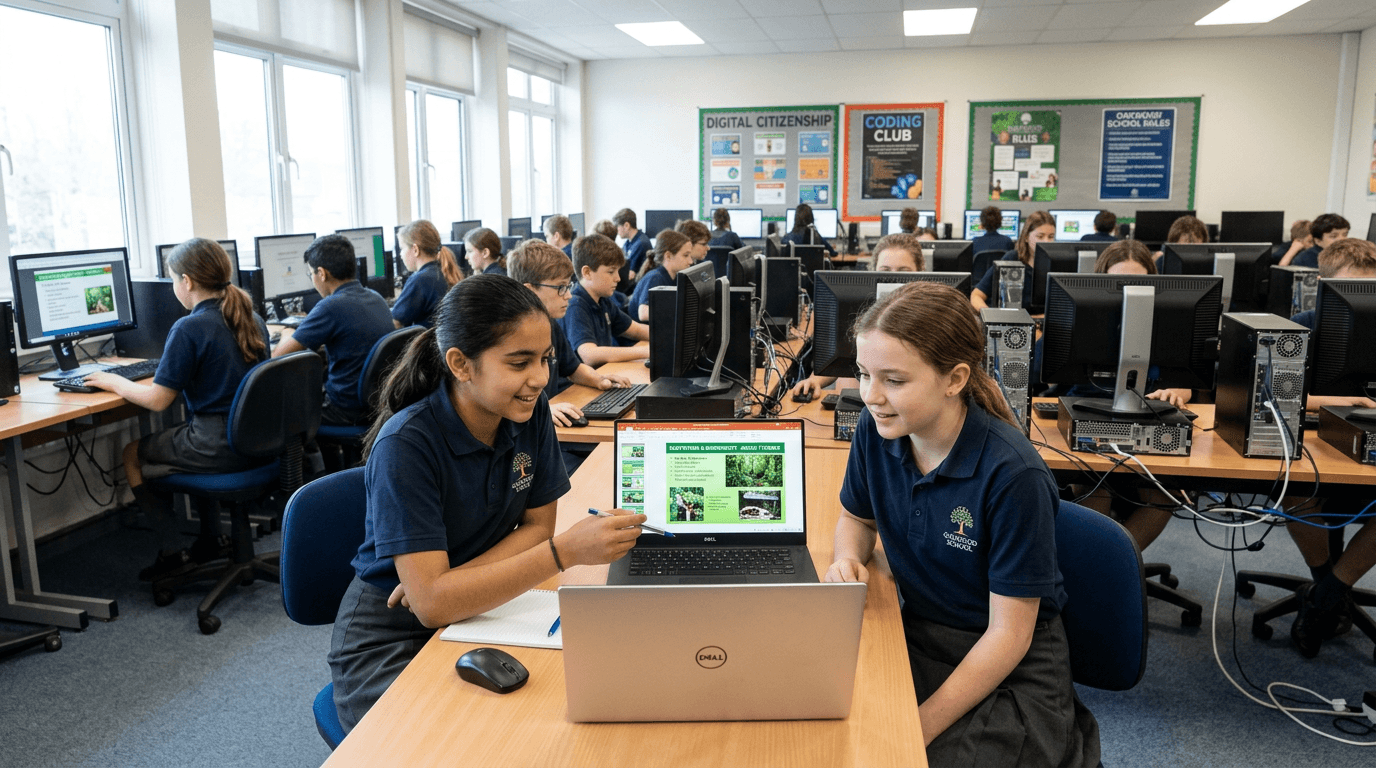
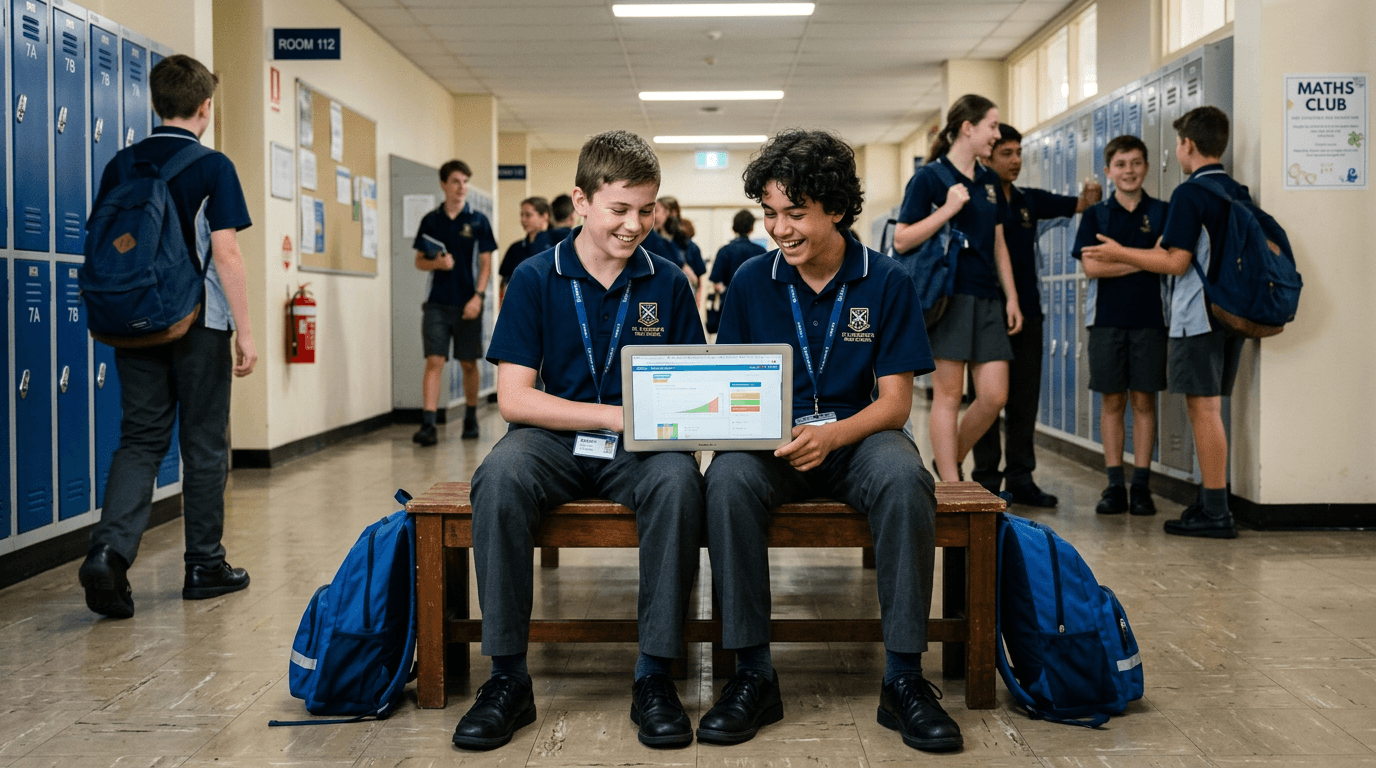
The Short Answer If you're reading this, you've probably heard the buzz about "Selective Schools" in NSW. But what exactly are they? Simply put, they are public high schools designed specifically for students who learn faster or think a bit differently than their peers. Unlike a regular high school, where a teacher has to look after students of all different ability levels, a selective school is full of students who have all passed a high-level academic test. This means the teachers can move through the standard lessons much faster.
The Real Benefit: It's Not Just About Grades Parents often think the main benefit is getting a high ATAR (university entrance score). While that's true—selective schools dominate the top HSC rankings—the real magic is the social side. In a regular school, being the "smart kid" can sometimes feel lonely or isolating. In a selective school, everyone is the smart kid. This creates an environment where it's cool to be curious, ask hard questions, and care about your grades. You are surrounded by "like-minded peers" who challenge you to be better, just by being themselves.
Selective vs. Private vs. Local Selective Schools: Free (mostly), government-run, very high academic pace. Entry is 100% based on the test. Local Public Schools (Comprehensive): Great for community, but the academic pace varies. They accept everyone in the area. Private Schools: Cost money (sometimes a lot), have great facilities (pools, theatres), but entry isn't usually based purely on a hard academic test.
The "Equity" Balance If you are worried that selective schools are only for wealthy families who can afford tutoring, things are changing. The NSW Department of Education now reserves 20% of places for students from under-represented groups—including disadvantaged backgrounds, Aboriginal students, and students from rural areas. This helps make sure the schools reflect the real mix of people in NSW.